Category: Experiences

  • Traveling With a Baby: The Destination Is Wonderful, the Journey Is the Test

    The Destination Is the Reward. The Journey Is the Work.

    The destination is always fantastic.
    The journey, on the other hand, is riddled with challenges.

    Traveling with a baby isn’t about getting from Point A to Point B. It’s a sequence of small decisions, each one aimed at one simple goal: keep your baby comfortable, calm, and happy. If that happens, everything else tends to fall into place.

    If it doesn’t, the stress compounds quickly.

    What I’ve learned is this: traveling with babies isn’t hard because of one big thing — it’s hard because of many small things happening back to back. And once you accept that, you can prepare for them one step at a time.

    Starting Right: The Car Seat Matters More Than You Think

    Getting into the car seat after the baby is fed is one of the most underrated wins when traveling.

    A fed baby is a calmer baby. A calmer baby makes the transition from home to car to airport feel smoother. That first stretch sets the tone for everything that follows.

    Rushing this step almost always shows up later.

    The Airport: Read the Baby, Not the Clock

    Once you reach the airport, it’s tempting to think in terms of timelines — security lines, boarding times, gate announcements. But babies don’t operate on schedules; they operate on needs.

    Before or after security, check in on two things:

    • Hunger levels
    • Diaper situation

    There’s no universal rule here. Sometimes feeding before security makes sense. Other times, waiting until after is better. The key is responding to how your baby is doing in that moment, not forcing a plan because it looks efficient on paper.

    The Golden Rule: Feed During Takeoff and Landing

    If there’s one rule to follow every single time, this is it:

    Always feed during takeoff and landing.

    Breastfeeding, bottle feeding, formula — it doesn’t matter. Swallowing helps manage ear pressure, and it makes a world of difference to your baby’s comfort.

    This single step can turn what might be a stressful flight into a surprisingly manageable one.

    The Flight: Where the Mental Load Peaks

    The flight itself is the most stressful part — not because something will go wrong, but because your mind runs through every possibility:

    • Will the baby feel ear pressure?
    • Is the baby hungry again?
    • Is the diaper clean?
    • Is the baby warm enough?
    • Is the baby comfortable?

    Layered on top of this is the awareness that you’re in a confined space, surrounded by strangers, hoping your baby stays calm.

    A few things help reduce that stress:

    • Dress your baby warm. Cabins can get cold unexpectedly.
    • Keep milk or formula under the seat, not in the overhead bin. Accessibility matters.
    • Carry extra bottles, clean and ready, if you’re bottle feeding. You don’t want to improvise mid-flight.

    Small preparations remove big mental load.

    Little Distractions Go a Long Way

    If you’re lucky enough to have a window seat, suction cup spinner toys can be incredibly helpful. They’re simple, engaging, and don’t require constant intervention.
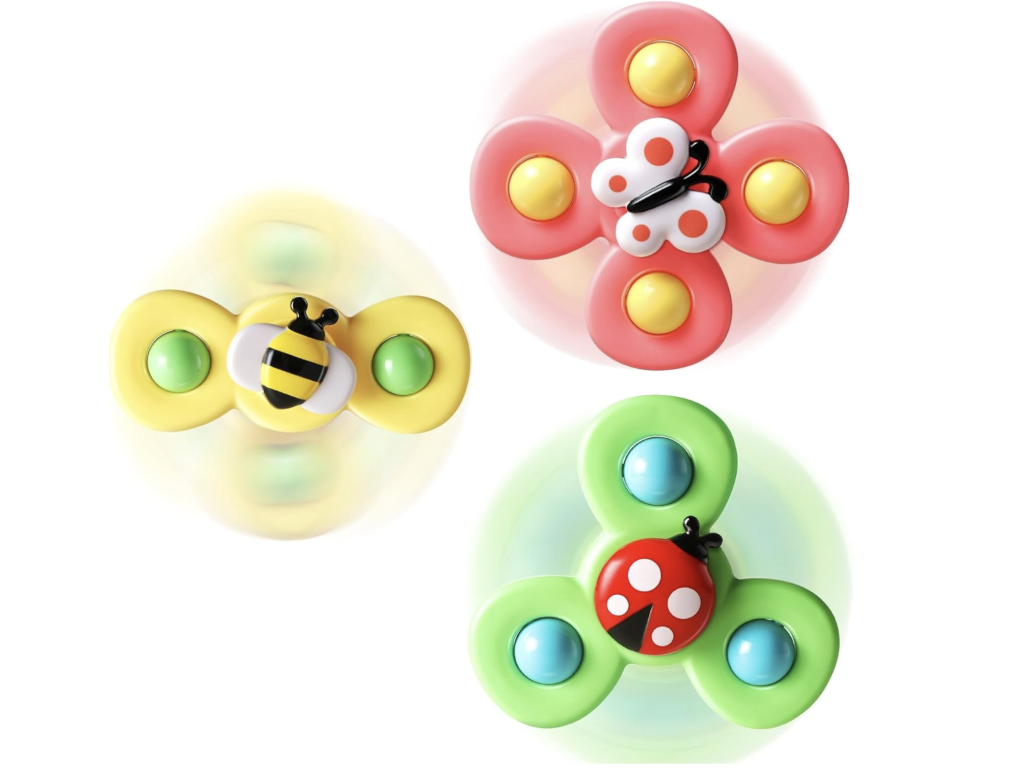
    Most families with babies are assigned aisle seats for safety reasons — primarily to allow access to oxygen masks — but when window seats happen, using them thoughtfully can buy you precious minutes of calm.

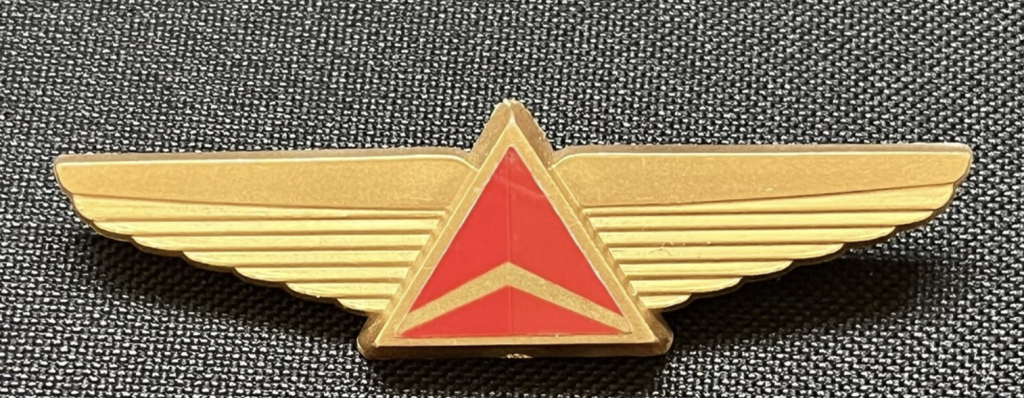
    Also, don’t hesitate to ask the flight crew for first-flight collectibles — cards, wings, badges. They’re small, but they turn the experience into a milestone rather than just a logistical exercise.
    After Landing: Don’t Rush the Exit

    Once the plane lands, there’s an instinct to get out as quickly as possible. Resist it.

    Take an extra pause:

    • Change the diaper
    • Feed the baby
    • Reset

    Leaving the airport with a fed, comfortable baby sets you up for a better arrival experience, whether that’s a car ride, a hotel check-in, or meeting family.

    That extra five or ten minutes can be the difference between starting your trip calmly or feeling behind from the first step.

    In the End, It’s Always Worth It

    Traveling with a baby is a test of patience, preparation, and flexibility. It’s rarely seamless. But every successful trip builds confidence — in you, in your baby, and in your ability to navigate the world together.

    The destination is wonderful.
    The journey asks more of you.
    And somehow, every time, it’s worth it.

  • The First Seven Days as a Dad

    The first seven days as a dad are an overwhelming, hard-to-explain ride. You walk into it believing you’ve prepared for everything—read the lists, bought the gear, rehearsed the scenarios—but within hours, you realize you haven’t quite prepared for this. And yet, there’s a quiet comfort in knowing you’re not alone. Millions of dads before you have felt the same mix of awe, inadequacy, fear, and fierce love. You’re joining a lineage, even if it doesn’t feel that way in the moment.

    For me, it began with anticipation so intense it felt almost physical. We carefully placed the babies into their car seats, hands moving slower than usual, more deliberate. My wife climbed into the back seat, instinctively needing to stay close to them from the very first minute. I took the driver’s seat and suddenly felt the weight of responsibility settle in my chest.

    Every speed bump felt personal. Every car that passed too quickly felt reckless. I followed traffic rules with the precision of someone taking their first driving test—hands at ten and two, eyes scanning constantly, heart racing quietly beneath calm concentration. The road home had never felt longer or more fragile.

    Bringing the babies into the house was its own moment of disbelief. This was it. This was home now—not just ours, but theirs. We moved gently, placing them into the bassinet, adjusting the thermostat again and again. Not too warm. Not too cool. But what is perfect? And how do you know when you’ve reached it?

    Every decision suddenly felt enormous. Every choice carried weight. You second-guess yourself endlessly—room temperature, lighting, noise, timing. You wonder if you’re doing too much or not enough. The smallest uncertainties become painfully loud in your mind.

    You’re trying to help them get used to your home, while you’re simultaneously trying to get used to them—new guests who are no longer guests at all. They are the center now. The house feels different. The silence feels heavier. Time feels warped.

    Those first days are less about confidence and more about surrender—accepting that you won’t have all the answers, that perfection isn’t the goal, and that love often shows up as quiet vigilance and clumsy care. You are learning them, and they are learning you, minute by minute.

    And somewhere in the middle of the exhaustion, the doubt, and the constant checking, something settles in. Not certainty—but commitment. A steady, growing understanding that while you may not feel ready, you are present. And in those first seven days, presence matters more than anything else.

    leepless nights are one of the hardest byproducts of parenthood. You wake up to every sound—and sometimes to the absence of sound—alert in a way you’ve never been before. Every pause feels suspicious. Every rustle sends your mind racing. You check on the babies. You check on your wife. Are the babies breathing? Are they comfortable? Too warm? Too cold? Do they need milk?

    Your head fills with questions faster than you can answer them. There’s no sleep to quiet the noise, and suddenly it feels like the weight of the world has settled on your shoulders. You’re not just responsible for these tiny lives—you’re also watching over your partner, making sure she’s okay, that she’s healing, that she’s not carrying more than she should. She’s new to this too. You wonder if the babies are latching properly. If they’re not, what that means. How your wife is handling each small challenge, each unexpected turn.

    Operating on little to no sleep changes how you process everything. Emotions don’t arrive gently—they crash in. Things that wouldn’t normally matter start to feel overwhelming. Small inconveniences can trigger bigger reactions than they deserve, while moments that do matter sometimes don’t get the response they should. You’re not at your best, and you know it.

    Those days feel like a delicate dance—one that isn’t about winning or getting it right, but about simply not letting things fall apart. There are moments where patience runs thin, where words come out sharper than intended, where silence feels safer than speaking. It’s uncomfortable to acknowledge, but it’s also common. You’re not failing. You’re trying to do the best you can—for your partner, for your babies, and for the fragile balance you’re all learning together.

    What helps, even slightly, is learning to pause. Taking a deep breath before reacting—to a crying baby, a diaper that needs changing, a request from parents or in-laws, or a moment of frustration between you and your wife. That brief pause creates space. Space to respond instead of react. Space to soften what could easily escalate. Space to remind yourself that everyone in this moment is tired, vulnerable, and doing something they’ve never done before.

    Those pauses don’t fix everything, but they do a world of good—for you, and for everyone around you