Author: Double Duty Dad

  • The Stain Remover That Saved Baby Clothes (Miss Mouth’s Messy Eater Review)

    Mess Is Part of the Job

    Once babies start eating real solid food, stains stop being an occasional problem and start becoming a daily reality.

    Milk drips. Purees smear. Sauces find their way onto sleeves, collars, pants, and sometimes clothes you didn’t even realize were involved in the meal. With twins, this doubles instantly.

    At some point, you either accept that clothes won’t last—or you find something that actually works. Or you change clothes 5 times a day!

    That’s where Miss Mouth’s Messy Eater Stain Treater Spray came into our routine.

    How We Actually Used It

    This wasn’t a “special occasion” product. It lived near the laundry area and got used frequently.

    When a stain showed up:

    1. Spray directly on the spot
    2. Let it sit briefly (or longer if needed)
    3. Wash as usual

    That’s it.

    It worked across a surprising range of messes—food stains, grease, coffee spills, and everyday baby chaos. We used it mostly on baby clothes, but it held its own on adult laundry too.

    What I Loved

    The biggest win was not needing to pre-soak or scrub aggressively. When you’re already juggling feeding schedules and sleep deprivation, that matters.

    This stain remover works quickly and handles more than just baby clothes. We’ve used it on everyday laundry, upholstery, and even carpets when spills didn’t stay contained.

    One thing that stood out to us is that it’s EPA Safer Choice certified, which gave us extra peace of mind using it around babies. It manages to be effective without feeling harsh, which matters when it’s touching clothes that stay close to skin all day.

    In terms of performance, it’s been reliable on a wide range of stains—everything from baby food and formula to ketchup, fruit juice, blowouts, and even tougher set-in stains. We’ve used it on baby clothes, toddler messes, and adult laundry with consistent results.

    Using it is straightforward. Remove any excess mess, lightly dampen the area if the stain is dry, spray it on, give it a gentle rub if needed, and wash as usual. If a stain is stubborn, a second pass usually does the trick. Simple, predictable, and easy to work into a regular laundry routine.

    Who This Is Perfect For

    This is a great fit if you:

    • Have babies or toddlers starting solids
    • Want to preserve clothes longer
    • Prefer simple, no-fuss laundry solutions
    • Don’t want to deal with soaking or dry cleaning

    If baby mess is part of your daily rhythm (and it is), this earns its place.

    Final Take

    Miss Mouth’s Messy Eater Stain Treater is one of those products you don’t think much about—until you don’t have it.

    It won’t eliminate mess (nothing will), but it removes the stress of wondering whether a favorite outfit is permanently ruined. For everyday baby life, that’s a win.

    👉 Check current price on Amazon

    Disclosure

    This post may contain affiliate links. If you purchase through these links, Double Duty Dad may earn a small commission at no additional cost to you. All opinions shared here are based on real experience and honest use.
  • Hatch Rest & Hatch Go Review: Powerful Sleep Tools (If You Don’t Already Have a Workaround)

    Why White Noise Becomes a Big Deal for Baby Sleep

    White noise is one of the most powerful tools you can add to your baby’s sleep routine.

    It works because it mimics what babies are used to—the constant, loud background sounds of the womb. That familiar noise triggers a natural calming reflex, helping babies feel secure and settled. On top of that, white noise masks sudden household sounds—siblings moving around, traffic outside, doors closing—that can easily wake a light sleeper.

    The result is a more cocoon-like environment: less fussiness, faster sleep onset, and better overall sleep quality. There’s a reason white noise comes up in almost every conversation about infant sleep.

    The Hatch Ecosystem: Rest and Go

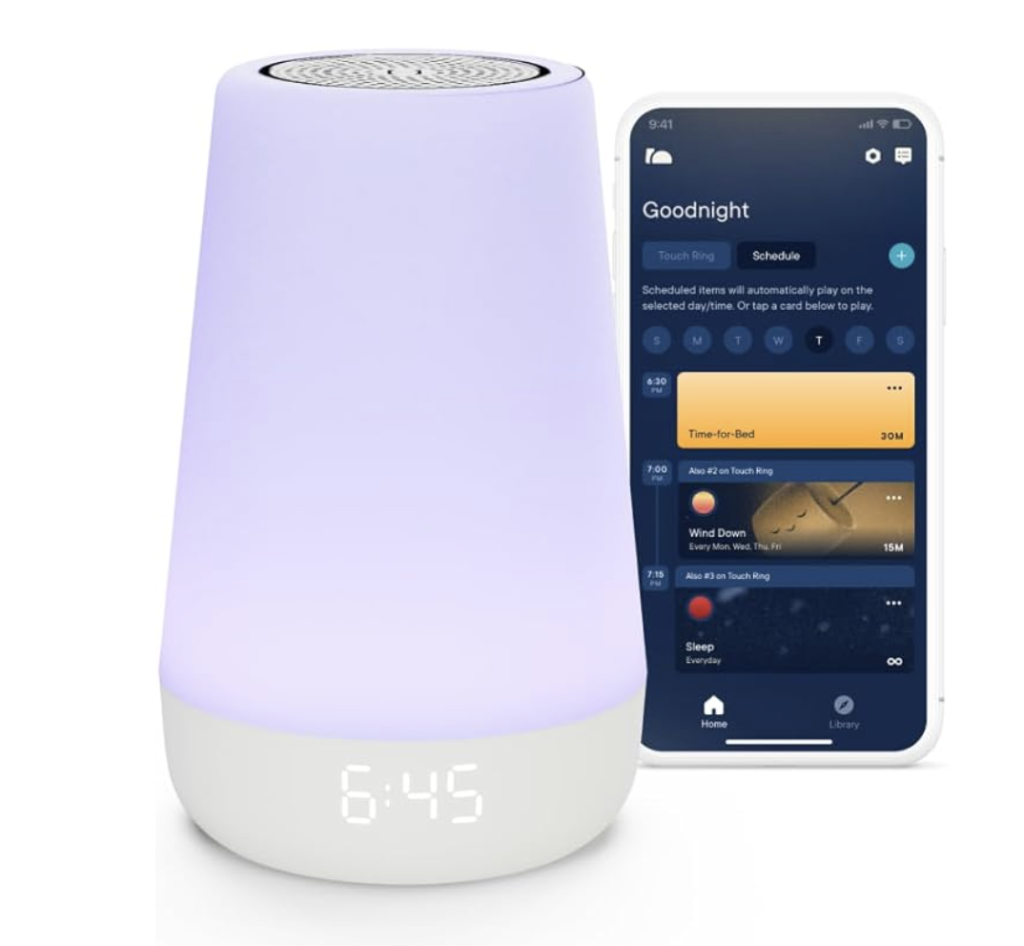
    We used both the Hatch Rest Sound Machine and the Hatch Go.

    The Hatch Rest is a stationary sound machine that also works as a night light. The ability to change colors makes it useful not just for sleep, but for bedtime routines and late-night feeds. The light is soft and adjustable, which helps avoid fully waking the baby while still giving you enough visibility.

    The Hatch Go is the portable version. It’s designed for life outside the nursery—walks with a stroller, car seats, travel, or even dining out when you’re hoping your baby stays asleep a little longer. It’s compact, easy to carry, and does exactly what it promises: delivers consistent white noise wherever you are.

    Functionally, both devices are well designed and feel thoughtfully built. They’re reliable, intuitive, and clearly made with parents in mind.

    How We Actually Used Them

    In theory, these devices fit perfectly into our routine. In practice, we found ourselves defaulting to tools we already had.

    At home, we often used our Amazon Echo/Dot by simply saying, “Alexa, play white noise.” It worked instantly and ran continuously until we stopped it. In the car, we relied on our stereo or Bluetooth connection from our phones (always kept out of the babies’ sight).

    Because those options were already part of our daily life, the Hatch devices—while useful—weren’t always the first thing we reached for.

    That doesn’t take away from their quality. It just means that for us, existing tools covered the same need with less friction.

    Where It Fell Short (For Us)

    • If you already use Alexa, Google Home, or a similar smart speaker, the Hatch Rest may feel redundant
    • Phones and car audio systems can serve the same function when you’re on the go
    • It’s not that Hatch doesn’t work—it’s that existing tools may already do the job

    This is less about a flaw in the product and more about how many households already have white noise options built into their ecosystem.

    Who Hatch Is Perfect For

    Hatch is an excellent choice if you:

    • Don’t want to use phones or smart speakers for baby sleep
    • Prefer a dedicated, baby-specific device
    • Want a combined sound machine + night light
    • Travel often and like having a portable, consistent sleep aid

    If you’re not already relying on Alexa, phone audio, or car speakers, Hatch Rest and Hatch Go are easily #1 tools for baby sleep.

    Disclosure

    This post may contain affiliate links. If you purchase through these links, Double Duty Dad may earn a small commission at no additional cost to you. All opinions shared here are based on real experience and honest use.
  • Traveling With a Baby: The Destination Is Wonderful, the Journey Is the Test

    The Destination Is the Reward. The Journey Is the Work.

    The destination is always fantastic.
    The journey, on the other hand, is riddled with challenges.

    Traveling with a baby isn’t about getting from Point A to Point B. It’s a sequence of small decisions, each one aimed at one simple goal: keep your baby comfortable, calm, and happy. If that happens, everything else tends to fall into place.

    If it doesn’t, the stress compounds quickly.

    What I’ve learned is this: traveling with babies isn’t hard because of one big thing — it’s hard because of many small things happening back to back. And once you accept that, you can prepare for them one step at a time.

    Starting Right: The Car Seat Matters More Than You Think

    Getting into the car seat after the baby is fed is one of the most underrated wins when traveling.

    A fed baby is a calmer baby. A calmer baby makes the transition from home to car to airport feel smoother. That first stretch sets the tone for everything that follows.

    Rushing this step almost always shows up later.

    The Airport: Read the Baby, Not the Clock

    Once you reach the airport, it’s tempting to think in terms of timelines — security lines, boarding times, gate announcements. But babies don’t operate on schedules; they operate on needs.

    Before or after security, check in on two things:

    • Hunger levels
    • Diaper situation

    There’s no universal rule here. Sometimes feeding before security makes sense. Other times, waiting until after is better. The key is responding to how your baby is doing in that moment, not forcing a plan because it looks efficient on paper.

    The Golden Rule: Feed During Takeoff and Landing

    If there’s one rule to follow every single time, this is it:

    Always feed during takeoff and landing.

    Breastfeeding, bottle feeding, formula — it doesn’t matter. Swallowing helps manage ear pressure, and it makes a world of difference to your baby’s comfort.

    This single step can turn what might be a stressful flight into a surprisingly manageable one.

    The Flight: Where the Mental Load Peaks

    The flight itself is the most stressful part — not because something will go wrong, but because your mind runs through every possibility:

    • Will the baby feel ear pressure?
    • Is the baby hungry again?
    • Is the diaper clean?
    • Is the baby warm enough?
    • Is the baby comfortable?

    Layered on top of this is the awareness that you’re in a confined space, surrounded by strangers, hoping your baby stays calm.

    A few things help reduce that stress:

    • Dress your baby warm. Cabins can get cold unexpectedly.
    • Keep milk or formula under the seat, not in the overhead bin. Accessibility matters.
    • Carry extra bottles, clean and ready, if you’re bottle feeding. You don’t want to improvise mid-flight.

    Small preparations remove big mental load.

    Little Distractions Go a Long Way

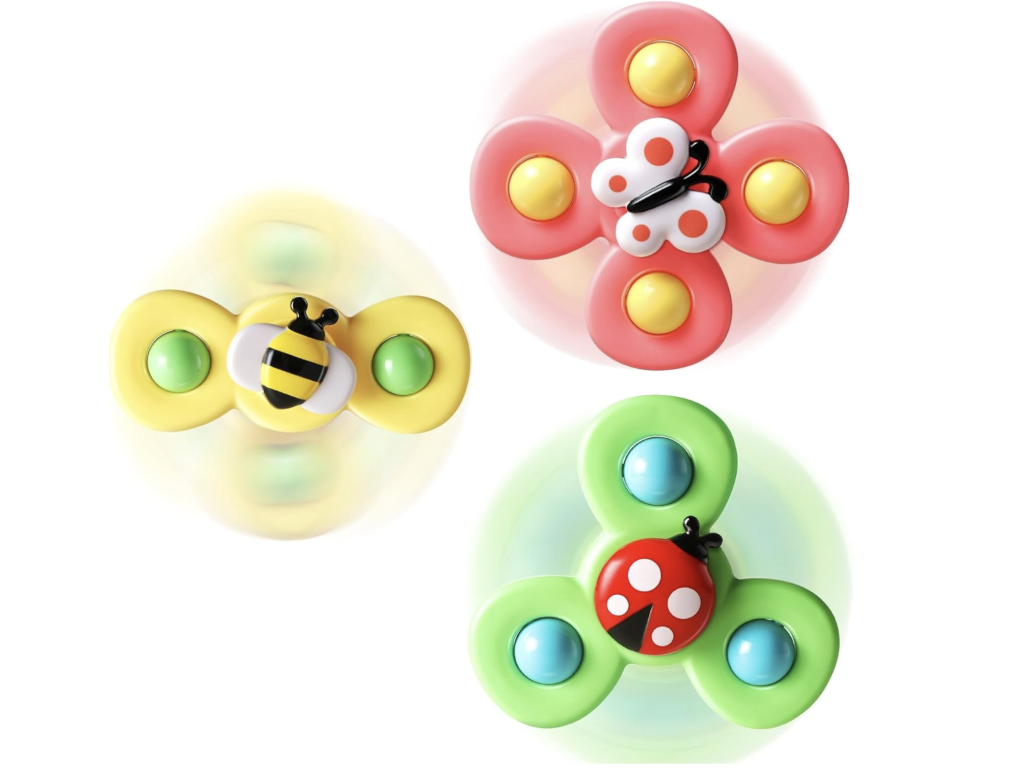
    If you’re lucky enough to have a window seat, suction cup spinner toys can be incredibly helpful. They’re simple, engaging, and don’t require constant intervention.

    Most families with babies are assigned aisle seats for safety reasons — primarily to allow access to oxygen masks — but when window seats happen, using them thoughtfully can buy you precious minutes of calm.

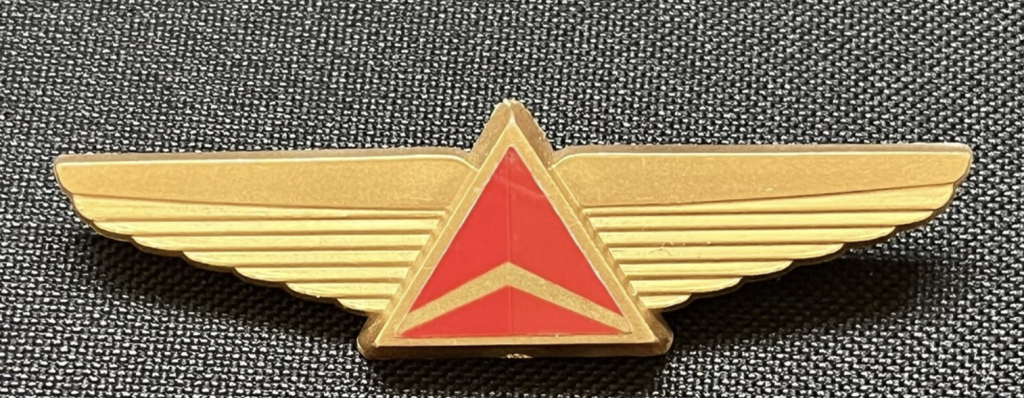
    Also, don’t hesitate to ask the flight crew for first-flight collectibles — cards, wings, badges. They’re small, but they turn the experience into a milestone rather than just a logistical exercise.

    After Landing: Don’t Rush the Exit

    Once the plane lands, there’s an instinct to get out as quickly as possible. Resist it.

    Take an extra pause:

    • Change the diaper
    • Feed the baby
    • Reset

    Leaving the airport with a fed, comfortable baby sets you up for a better arrival experience, whether that’s a car ride, a hotel check-in, or meeting family.

    That extra five or ten minutes can be the difference between starting your trip calmly or feeling behind from the first step.

    In the End, It’s Always Worth It

    Traveling with a baby is a test of patience, preparation, and flexibility. It’s rarely seamless. But every successful trip builds confidence — in you, in your baby, and in your ability to navigate the world together.

    The destination is wonderful.
    The journey asks more of you.
    And somehow, every time, it’s worth it.

  • The Tummy Time Mat That Actually Kept Them Interested (Infinno Water Play Mat Review)

    Tummy time is one of those things every parent hears about early—important for strength, neck control, and getting babies comfortable on their stomach. But in real life, especially with twins, it can also turn into a daily negotiation.

    We wanted something simple that made tummy time feel less like a “task” and more like a moment of curiosity. That’s what led us to the Infinno Inflatable Tummy Time Water Play Mat.

    This is a real-use review: what we liked, what we didn’t, and who this mat is actually worth it for.

    WHY WE BOUGHT IT

    The main issue wasn’t that tummy time was impossible—we needed it to be consistent.

    The water mat felt like a low-effort way to add movement and interest to tummy time—without adding a big piece of gear to the house.

    WHAT IT IS

    It’s a soft inflatable mat with a water-filled center. When babies press down or shift their weight, the water moves and the floating shapes inside move with it.

    It’s basically “tummy time + sensory play” in one simple setup.

    HOW WE ACTUALLY USED IT

    We didn’t use this for long stretches right away. In the beginning, it was 4–5 short sessions, just a few minutes at a time. That felt like the right balance—enough exposure without forcing it.

    Over time, we gradually amped it up. As the twins got more comfortable, tummy time became less of a struggle and more of a routine. Looking back, this mat ended up being part of the early foundation that led into crawling, standing, and eventually walking.

    It wasn’t magic—it was consistency. And this setup made consistency easier.

    PROS

    Encouraged early strength and movement — those short, repeated sessions added up over time.

    Great for gradual progression — easy to start small and build up as comfort increased.

    Kept attention longer than a basic mat — the water movement gave them something to focus on.

    Portable and easy to store — no permanent space commitment.

    Check it out on Amazon

  • The Playpen That Gave Us Breathing Room (Honest Review of the Mloong Baby Playpen)

    Intro

    Once the twins became more mobile, everything changed. What used to feel manageable suddenly felt unpredictable. You can’t look away for a second—not to grab water, not to answer a message, not to reset your own focus.

    We didn’t want to restrict movement, but we also needed a safe space where the babies could play independently while we stayed close. That balance—freedom for them, breathing room for us—is what led us to the Mloong Baby Playpen.

    This is an honest review based on daily use: what worked, what didn’t, and whether it actually helped us regain a little calm in an otherwise busy stage of parenthood.

    Why a Playpen Became Necessary

    There’s a short window where babies are too mobile to stay put, but not quite steady enough to roam freely. For us, that stage arrived quickly—and with twins, it arrived all at once.

    We weren’t looking to contain them out of convenience. We were looking to create a safe boundary where they could explore, roll, crawl, and play without constant intervention. A space where we could step back just enough to reset without anxiety.

    A large playpen felt like a practical solution, but only if it gave enough room to move and didn’t feel cramped or restrictive.

    How We Used the Mloong Baby Playpen Day to Day

    The size of the Mloong playpen was the first thing that stood out. At 59 by 59 inches, it gave the twins enough room to move around without constantly bumping into each other. Toys could be spread out, and there was space for both independent play and shared moments.

    We used it primarily indoors as a dedicated activity space. The included mat helped define the area and made the space feel intentional rather than temporary.

    Over time, the playpen became part of our routine—not a last-resort solution, but a predictable, safe environment where the babies could engage while we stayed nearby without hovering.

    Pros

    What Worked Well for Us

    • Muted, colorful mat that feels aesthetically pleasing and calm
    • Soft cushioning ideal for tummy time, rolling, and early crawling
    • Easy to assemble and dismantle, which makes it practical long-term
    • Secure enclosure that keeps babies safe and pets out
    • Helpful during cooking or moments when full supervision isn’t possible
    • Zippered opening allows controlled independence as babies grow
    • Doubles as a toy and clutter catch-all on busy days

    Cons

    None

    Who This Playpen Is (and Isn’t) For

    This playpen is a good fit if you:

    • Have one or more mobile babies or toddlers
    • Want a large, safe area for independent play
    • Need breathing room without leaving the room
    • Value function over aesthetics

    It may not be ideal if you:

    • Have limited floor space
    • Want something small or easily collapsible
    • Prefer play areas that blend seamlessly into décor

    Disclosure

    This post may contain affiliate links. If you purchase through these links, Double Duty Dad may earn a small commission at no additional cost to you. All opinions shared here are based on our real experience using these products.

  • The Baby Monitor We Used With Our Twins (An Honest Dad’s Take on Nanit Pro)

    Bringing twins home changes how you think about vigilance. You don’t just want to check in—you want reassurance.

    In those early days, sleep is fragmented and anxiety fills the gaps. You wake up to every sound, every silence, constantly wondering if everything is okay. Are they breathing comfortably? Are they warm enough? Are they sleeping safely?

    We chose the Nanit Pro not because it was the most talked-about baby monitor, but because we wanted visibility and peace of mind without hovering. This is an honest account of how the Nanit Pro fit into our daily (and nightly) life as first-time parents of twins—what worked, what didn’t, and who it’s actually right for.

    When you’re choosing a baby monitor, it’s easy to get lost in features. What mattered most to us was reliability and clarity—especially at night.

    We wanted a monitor that allowed us to check in without physically entering the room every time we felt uncertain. With twins, that mattered even more. One unnecessary wake-up could ripple into an hour of chaos.

    The Nanit Pro stood out because it offered clear video, a clean interface, and the ability to check in from anywhere without feeling intrusive. It felt less like surveillance and more like reassurance.

    In practice, the Nanit Pro became part of our nightly routine almost immediately. We relied on it most during the overnight hours—those moments when you’re half-awake, unsure if you heard a real sound or imagined one.

    Instead of walking into the nursery and risking waking the babies, we’d check the app. That simple act saved us countless disruptions. Over time, it also helped us relax enough to get some rest ourselves.

    We didn’t obsess over every metric. What mattered was being able to glance, confirm everything was okay, and go back to sleep. The monitor did its job quietly in the background, which is exactly what we wanted.

    What Worked Well for Us

    The Nanit Pro does a few things very well, and those strengths show up most clearly in everyday use rather than on a spec sheet.

    One of the biggest advantages was the wide video coverage. With twins, being able to see more of the room at once mattered. It reduced the need to constantly adjust angles or second-guess whether we were actually seeing what we needed to see.

    We also appreciated the built-in sound options, especially the white noise and soft ambient sounds. It removed the need to buy a separate white noise device like the Hatch, which simplified the setup and reduced clutter. Having fewer gadgets to manage was an unexpected but welcome benefit.

    From a design standpoint, the Nanit Pro feels thoughtfully made. It has a sleek, modern look that doesn’t feel out of place on a nightstand. It blends into the room more like an accessory than a piece of baby gear, which mattered to us as we tried to keep the bedroom feeling calm and adult.

    While it’s not designed to be constantly moved, we did find that it was portable enough when needed. Carrying it from room to room was possible, even if the stand and base make it slightly less convenient than a purely handheld device. It wasn’t effortless—but it was workable when circumstances required it.

    Where It Fell Short

    The most obvious drawback is the price. The Nanit Pro is expensive, and there’s no way around that. It’s a premium product, and you feel that at checkout.

    There are also much cheaper monitors—some under $50—that technically do the job. They provide video, audio, and basic peace of mind. If your needs are simple and your budget is tight, the Nanit may feel like more than what’s necessary.

    Lastly, while it doesn’t take up much space, it does require some room to properly support the stand and base. In smaller bedrooms or tighter setups, that footprint is something to be aware of. It’s not intrusive, but it’s not invisible either.

    Final Take

    The Nanit Pro isn’t essential—but for us, it was valuable.

    It didn’t eliminate anxiety entirely, but it reduced unnecessary interruptions and helped us trust what we were seeing. Over time, that reassurance mattered more than the features themselves.

    If you’re comfortable with the price and want a monitor that blends into your routine instead of demanding attention, the Nanit Pro does its job quietly—and that’s exactly what we needed.

    This post may contain affiliate links. If you purchase through these links, we may earn a small commission at no additional cost to you.

  • The First Seven Days as a Dad

    The first seven days as a dad are an overwhelming, hard-to-explain ride. You walk into it believing you’ve prepared for everything—read the lists, bought the gear, rehearsed the scenarios—but within hours, you realize you haven’t quite prepared for this. And yet, there’s a quiet comfort in knowing you’re not alone. Millions of dads before you have felt the same mix of awe, inadequacy, fear, and fierce love. You’re joining a lineage, even if it doesn’t feel that way in the moment.

    For me, it began with anticipation so intense it felt almost physical. We carefully placed the babies into their car seats, hands moving slower than usual, more deliberate. My wife climbed into the back seat, instinctively needing to stay close to them from the very first minute. I took the driver’s seat and suddenly felt the weight of responsibility settle in my chest.

    Every speed bump felt personal. Every car that passed too quickly felt reckless. I followed traffic rules with the precision of someone taking their first driving test—hands at ten and two, eyes scanning constantly, heart racing quietly beneath calm concentration. The road home had never felt longer or more fragile.

    Bringing the babies into the house was its own moment of disbelief. This was it. This was home now—not just ours, but theirs. We moved gently, placing them into the bassinet, adjusting the thermostat again and again. Not too warm. Not too cool. But what is perfect? And how do you know when you’ve reached it?

    Every decision suddenly felt enormous. Every choice carried weight. You second-guess yourself endlessly—room temperature, lighting, noise, timing. You wonder if you’re doing too much or not enough. The smallest uncertainties become painfully loud in your mind.

    You’re trying to help them get used to your home, while you’re simultaneously trying to get used to them—new guests who are no longer guests at all. They are the center now. The house feels different. The silence feels heavier. Time feels warped.

    Those first days are less about confidence and more about surrender—accepting that you won’t have all the answers, that perfection isn’t the goal, and that love often shows up as quiet vigilance and clumsy care. You are learning them, and they are learning you, minute by minute.

    And somewhere in the middle of the exhaustion, the doubt, and the constant checking, something settles in. Not certainty—but commitment. A steady, growing understanding that while you may not feel ready, you are present. And in those first seven days, presence matters more than anything else.

    leepless nights are one of the hardest byproducts of parenthood. You wake up to every sound—and sometimes to the absence of sound—alert in a way you’ve never been before. Every pause feels suspicious. Every rustle sends your mind racing. You check on the babies. You check on your wife. Are the babies breathing? Are they comfortable? Too warm? Too cold? Do they need milk?

    Your head fills with questions faster than you can answer them. There’s no sleep to quiet the noise, and suddenly it feels like the weight of the world has settled on your shoulders. You’re not just responsible for these tiny lives—you’re also watching over your partner, making sure she’s okay, that she’s healing, that she’s not carrying more than she should. She’s new to this too. You wonder if the babies are latching properly. If they’re not, what that means. How your wife is handling each small challenge, each unexpected turn.

    Operating on little to no sleep changes how you process everything. Emotions don’t arrive gently—they crash in. Things that wouldn’t normally matter start to feel overwhelming. Small inconveniences can trigger bigger reactions than they deserve, while moments that do matter sometimes don’t get the response they should. You’re not at your best, and you know it.

    Those days feel like a delicate dance—one that isn’t about winning or getting it right, but about simply not letting things fall apart. There are moments where patience runs thin, where words come out sharper than intended, where silence feels safer than speaking. It’s uncomfortable to acknowledge, but it’s also common. You’re not failing. You’re trying to do the best you can—for your partner, for your babies, and for the fragile balance you’re all learning together.

    What helps, even slightly, is learning to pause. Taking a deep breath before reacting—to a crying baby, a diaper that needs changing, a request from parents or in-laws, or a moment of frustration between you and your wife. That brief pause creates space. Space to respond instead of react. Space to soften what could easily escalate. Space to remind yourself that everyone in this moment is tired, vulnerable, and doing something they’ve never done before.

    Those pauses don’t fix everything, but they do a world of good—for you, and for everyone around you

  • Best Baby Carrier for Dads (Newborn to Age 3 – Honest Picks)

    As a dad, I wanted one baby carrier I could use from the newborn stage all the way through toddlerhood—not something I’d outgrow in six months.

    A lot of baby carriers work fine early on, but many aren’t designed for broader shoulders, longer torsos, or the reality of carrying a heavier child as they grow. For dads, comfort, adjustability, and long-term use matter more than aesthetics.

    This guide breaks down the best baby carriers for dads, with a strong focus on carriers you can realistically use from newborn to age 3, based on comfort, fit, ease of use, and real-world practicality.

    Quick Picks: Best Baby Carriers for Dads

    • Best Overall (Newborn → Age 3): BabyBjörn Harmony
      One carrier that grows with your child and works well for dad-sized frames
    • Best Structured Alternative: Ergobaby Omni 360
      Great support, but slightly more complex to adjust
    • Best Budget Option: Infantino Flip
      Affordable and functional, but less comfortable for long wear
    • Best Newborn-Only Carrier: BabyBjörn Mini
      Extremely easy early on, but quickly outgrown

    Why Dads Should Care About a Carrier That Lasts Until Age 3

    Bullet points:

    • Fewer purchases over time
    • Better value per use
    • Less learning curve
    • Easier to share between parents
    • Better fit as baby grows heavier

    BabyBjörn Harmony — Best Long-Use Carrier for Dads

    Why it stands out for dads:

    • Designed for newborns through toddlers (up to ~3 years)
    • Excellent back and waist support
    • Clean, no-nonsense design
    • Easy to put on solo
    • Great fit for broader shoulders

    Pros

    • One carrier for multiple stages
    • Strong lumbar support
    • Breathable (One Air)
    • High build quality

    Cons

    • More expensive upfront
    • Bulkier than newborn-only carriers

    Best for:
    Dads who want one carrier they can use for years, not months.

    Check current price on Amazon

    COMPARISON OPTIONS

    Ergobaby Omni 360 — Strong Alternative

    • Great ergonomics
    • Slightly more complex adjustments
    • Also long-use, but more “technical”

    Infantino Flip — Budget Pick

    • Affordable
    • Limited comfort for long wear
    • Better as a backup, not primary

    BabyBjörn Mini — Newborn Stage Only

    • Super easy early on
    • Will be outgrown quickly
    • Not a long-term solution

    FAQ

    Can one baby carrier really last until age 3?
    Yes — structured carriers like the BabyBjörn One are designed to support toddlers safely.

    Is BabyBjörn comfortable for dads with broad shoulders?
    Yes. It’s one of the better options for male frames.

    Is it worth paying more upfront?
    If you plan to carry regularly, absolutely.

    FINAL VERDICT

    If you’re a dad looking for one baby carrier that grows with your child, the BabyBjörn Harmony is hard to beat.

    It costs more upfront, but the comfort, durability, and long-term use make it one of the best value carriers for dads — especially if you don’t want to keep upgrading gear every year.

    This post may contain affiliate links. If you purchase through these links, we may earn a small commission at no additional cost to you.

  • Best Baby Monitor for First-Time Dads (Honest, No-Fluff Guide)

    Disclosure: This post may contain affiliate links. If you purchase through them, Double Duty Dad may earn a small commission at no extra cost to you.

    Becoming a dad for the first time is overwhelming—especially when every baby monitor claims to be “the best.”

    As a first-time dad (and a twin dad), I wanted a baby monitor that was reliable, easy to use, and didn’t require troubleshooting at 2 a.m.

    This guide covers the best baby monitors for first-time dads, based on real-world use, reliability, ease of setup, and peace of mind—not marketing hype.

    Quick Picks: Best Baby Monitors for First-Time Dads

    • Best Overall: Infant Optics DXR-8 Pro
      • Reliable, no Wi-Fi, and expandable for twins
    • Best Wi-Fi Monitor: Nanit Pro
      • Smart features and app-based access
    • Best Budget Option: VTech VM5254
      • Simple, affordable, no-frills
    • Best for Twins: Infant Optics DXR-8 Pro (dual camera support)
      • Supports multiple cameras on one monitor

    What First-Time Dads Should Look For in a Baby Monitor

    If you’re brand new to newborn life, start with our Start Here guide for first-time dads before choosing gear.

    • Reliability over fancy features
    • Battery life that lasts overnight
    • Simple setup (no 20-step apps)
    • Clear night vision
    • Expandability for twins or second kids

    1. Infant Optics DXR-8 Pro — Best Overall

    Many first-time dads choose this monitor because it just works out of the box and doesn’t depend on Wi-Fi.

    Why dads like it

    • No Wi-Fi (rock-solid connection)
    • Excellent night vision
    • Supports multiple cameras
    • Simple physical controls

    Best for: dads who want reliability and zero headaches.

    Check current price on Amazon

    2. Nanit Pro — Best Smart Monitor

    Pros

    • App-based viewing anywhere
    • Sleep tracking insights
    • Clean, modern design

    Cons

    • Requires strong Wi-Fi
    • Subscription for advanced features

    Check current price on Amazon

    VTech VM5254 — Best Budget Pick

    Pros

    • Affordable
    • No Wi-Fi
    • Straightforward audio/video

    Cons

    • Smaller screen
    • Fewer features

    Check current price on Amazon

    FINAL VERDICT

    If you’re a first-time dad, reliability matters more than fancy features.

    For most dads—especially twin dads—the Infant Optics DXR-8 Pro offers the best balance of simplicity, reliability, and peace of mind. It’s the monitor that lets you sleep instead of troubleshooting.

    Common Questions First-Time Dads Ask

    Do I need Wi-Fi?
    No. Many dads prefer non-Wi-Fi for reliability.

    Is it safe from hacking?
    Non-Wi-Fi monitors are generally more secure.

    What’s best for twins?
    Expandable systems with multiple cameras.

    Who This Guide Is For

    • First-time dads who want simplicity
    • Twin dads who need expandable setups
    • Parents who value reliability over flashy features

    Who This Guide Is NOT For

    • Parents who want deep sleep analytics only
    • Those who prefer subscription-based apps

    This post may contain affiliate links. If you purchase through these links, we may earn a small commission at no additional cost to you.